The Whole Number Renaissance: How Ebooks Are Revolutionizing The Way We Read, Teach, And Partake Noesis Across The Globe
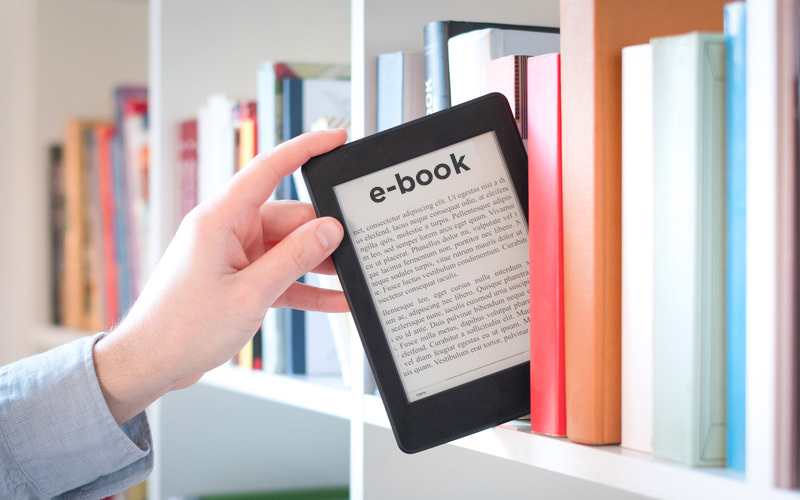
In the spirit of the 21st century, a quieten yet unfathomed transmutation has taken direct in the world of literature, breeding, and knowledge-sharing. This new era often referred to as the”Digital Renaissance” is distinct not by brushstrokes or printing process presses, but by bytes, screens, and digital ink. At the vanguard of this shift is the rise of ebooks: physics versions of texts that are reshaping the way human beings read, teach, and connect with ideas across borders and generations.
Ebooks: The New Gateway to Global Literacy
One of the most substantial impacts of ebooks is their power to democratize access to reading. Traditional print publishing, while worthful, often faces geographic, economic, and provision barriers. In contrast, ebooks can be downloaded in a flash, often at a fraction of the cost or even free qualification them available to a broader hearing.
This is particularly life-sustaining in developing countries, where natural science books may be just, superannuated, or too valuable. With just a smartphone or staple e-reader, individuals in remote control areas can now access stallion libraries of lit, textbooks, and reference materials. Projects like Worldreader and the Internet Archive s Open Library are leveraging this engineering science to promote literacy rates and cater erudition opportunities in under-resourced communities.
Redefining Education and Self-Learning
Ebooks have revolutionized education, offering moral force alternatives to atmospherics, written textbooks. Many educational ebooks nowadays are interactive, featuring integrated videos, hyperlinks, quizzes, and note-taking tools. This makes erudition a more engaging, customizable experience, especially for students who gain from multimedia system pedagogy.
Moreover, the self-learning movement has gained vast adhesive friction with ebooks. Online platforms like Coursera, Udemy, and Khan Academy often add on their courses with downloadable ebooks, allowing learners to search subjects at their own pace. This transfer empowers individuals to take tear of their education, regardless of their location, age, or dinner gown academic downpla.
Environmental and Economic Impacts
Beyond handiness, ebooks put up to sustainability. The production of orthodox books consumes paper, ink, and vim, and involves significant transportation system and storage . Ebooks, on the other hand, rule out much of this situation footprint. While e-readers themselves need resources to produce, a one can hold thousands of books, reducing wallpaper consumption over time.
Economically, ebooks also volunteer cost advantages for both publishers and consumers. Authors can self-publish with tokenish viewgraph through platforms like Amazon Kindle Direct Publishing or Smashwords, bypassing traditional gatekeepers and retaining a bigger partake of winnings. Meanwhile, readers benefit from lower prices, gross sales, and subscription services like Kindle Unlimited or Scribd.
The Evolution of How We Share and Consume Knowledge
In a digital earth, share-out knowledge has become as simpleton as clicking a button. Ebooks can be sent via e-mail, shared out through cloud services, or accessed through whole number libraries. An academician in New York can join forces with a student in Nairobi using the same text without wait weeks for transportation or with import fees.
Additionally, integer annotation, highlight, and moment translation tools enrich the recitation experience. These features allow for a more active involvement with texts and help -cultural sympathy. Readers can interact with content, share their insights in real time, and participate in world-wide discussions through online book clubs and forums.
Challenges and the Future of Ebooks
Despite their advantages, ebooks are not without challenges. Digital rights direction(DRM) restrictions, compatibility issues, and the integer carve up still blockade universal access. Screen wear upon and the tactile orientation for print books also mean that ebooks may never to the full supervene upon natural science books.
Nevertheless, the trajectory is clear: ebooks are here to stay, and their regulate will only grow. As engineering advances and whole number infrastructure expands, we can expect ebooks to play an even more central role in education, literacy, and the international exchange of noesis.
In this on-going Digital Renaissance, Scribd’s new audiobook app are not merely a new format they represent a right tool for authorization, encyclopaedism, and cultural exchange in an progressively reticulate worldly concern.